Blog
SOLUTIONS:
21/05/2013 10:19
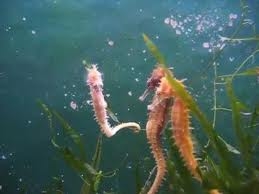
To stop the seahorses from extinction, we need to stop polluting the sea, littering the water. people also purchase seahorses to decorate aquariums, and these animals do not endure long in a fishbowl.
WHAT WE DO:
21/05/2013 10:01
WHAT WE DO:
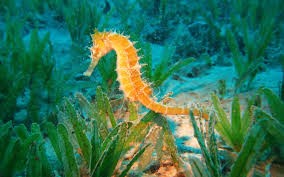
The goal of our NGO is to take care of seahorses, an animal is danger of extintion because of us. We don´t need seahorses in our lives yo might think, but is an animal like all the animals in earth, and it has the same rights to live that we do.
In this NGO we try to do as much as posible for this little animals.
We take care of them because they need our help. There are 100 species all around the world, but they are endangered because of us, the humans.
We look where the seahorses are located and we go to help them, they are usually located in temperate and tropical seas. one of the bigest problems that seahorses have to live is contamination, so we go to were they are located and we try to keep it as cleen as possible.
Another problem is the capture of them to sell them as a souvenir or as a pet, we are totally against this we try to convience the people that this is wrong.
We do as much as we can for this sea animals, because we think they are as important as any other animal. Our goal is to save them and we do as much as it is in our hands, but we can´t do this by our selves, we need your help.
Characteristics of Seahorses
21/05/2013 09:54
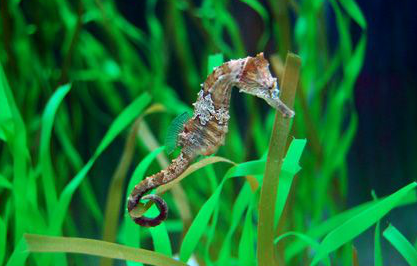
Seahorses are classified as fish, but they are very different from other fish because they have no scales, lack teeth, and do not have a stomach.
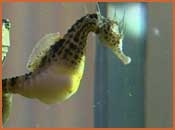
There are 35 known species of seahorse around the world.
Seahorses can grow as large as 22 cm but are more commonly between 10 and 15 cm.
Seahorses usually live in underwater sea grass meadows and among reefs.
They eat small crustaceans, worms and other invertebrates.
Seahorses are masters of camouflage and can quickly change color to avoid being eaten by larger fish and birds.
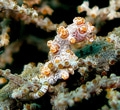
Their eyes move independently - so one eye can look in one direction and the other eye can look at something else!
The main thrust comes from their dorsal fin that beats 70 times a minute.
Seahorses also have a prehensile tail that wraps around objects so they can rest or hide themselves amidst protective plants.
Unfortunately, around the world seahorses are rapidly moving toward becoming an endangered species.
Water Pollution
21/05/2013 09:54
Water Pollution
-
Deforestation and coastal development lead to increased siltation in nearby marine waters. Increased silt in coastal waters suffocates sea grass beds and coral reefs. As the coral reefs and sea grass beds are ruined, the tiny fish and plankton the seahorse depends upon for food are also destroyed. Their shallow, near-shore habitats are also highly affected by human pollution from waste dumping, tourist
and construction run-off.
.jpg)
.jpg)